.jpg)
प्रस्तावना
Introduction
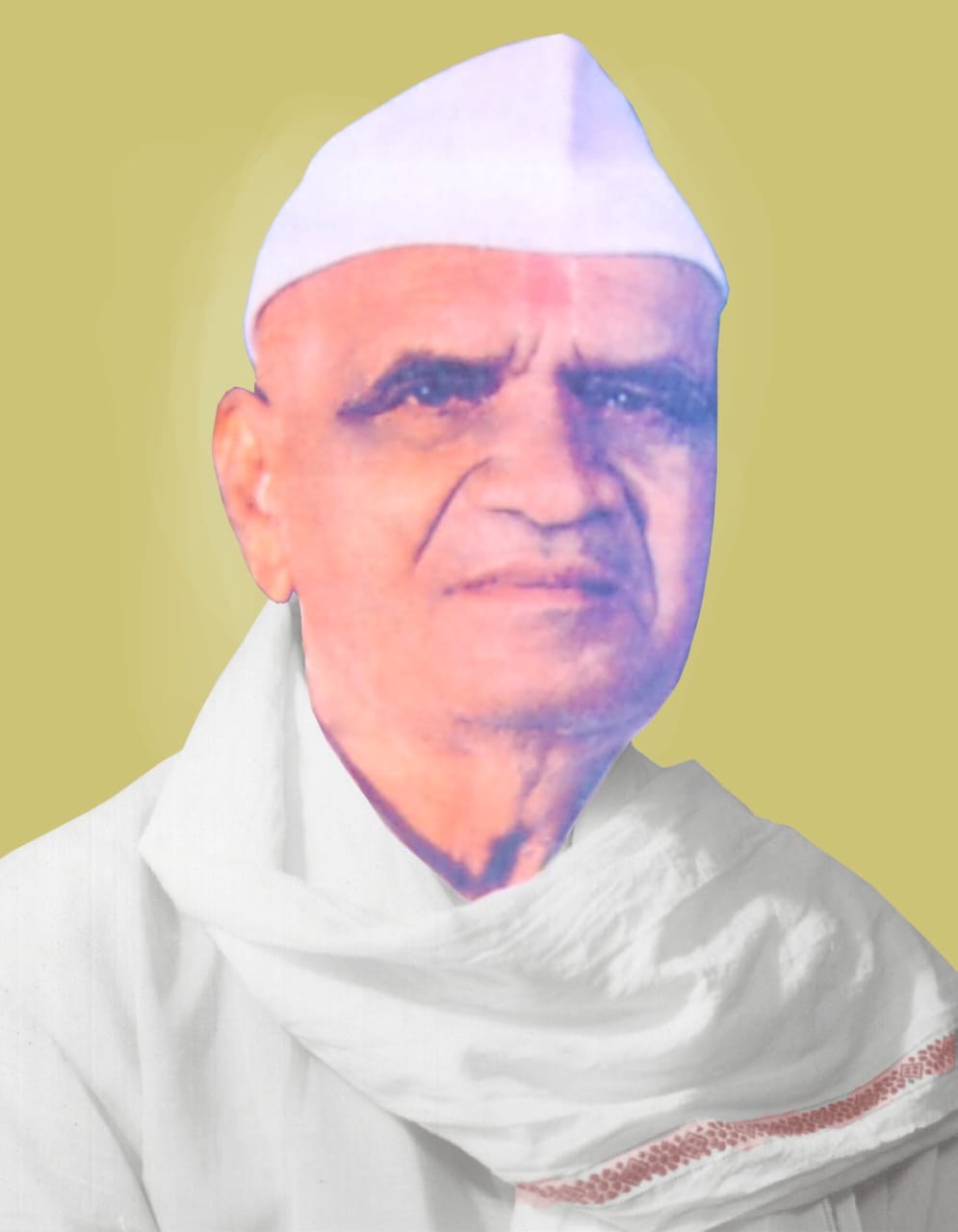
स्वातंत्र्योत्तर काळात मराठवाड्यातील अग्रणी शिक्षण संस्थांपैकी एक असलेल्या श्री.बनेश्वर शिक्षण संस्थेचे संस्थापक सचिव स्व.नारायण दादा काळदाते यांचे नाव महाराष्ट्राच्या शैक्षणिक इतिहासात आदराने घेतले जाते. बीड सारख्या मागास जिल्ह्यामध्ये शिक्षणाची वाणवा होती. नारायण दादांनी प्रतिकूल परिस्थितीत बीड जिल्ह्यात शैक्षणिक वातावरण निर्माण केले आणि तळागाळातील लोकांपर्यंत ते पोहोचविले. त्यांच्या उत्तुंग कार्याचा सन्मान करून त्यांना 'शिक्षणमहर्षी' ही पदवी जनसामान्यांनी बहाल केली.
The late Narayan Dada Kaldate, founding secretary of Shree Baneshwar Shikshan Sanstha — one of the leading educational institutions in Marathwada in the post-independence era — is remembered with deep respect in the educational history of Maharashtra. Education was scarce in a backward district like Beed. Against considerable odds, Narayan Dada built an educational environment across Beed district and carried it to the region's most disadvantaged people. In recognition of this towering contribution, the common people conferred upon him the title "Shikshanmaharshi" (Sage of Education).
बालपण, शिक्षण, लग्न
Childhood, Education, and Marriage
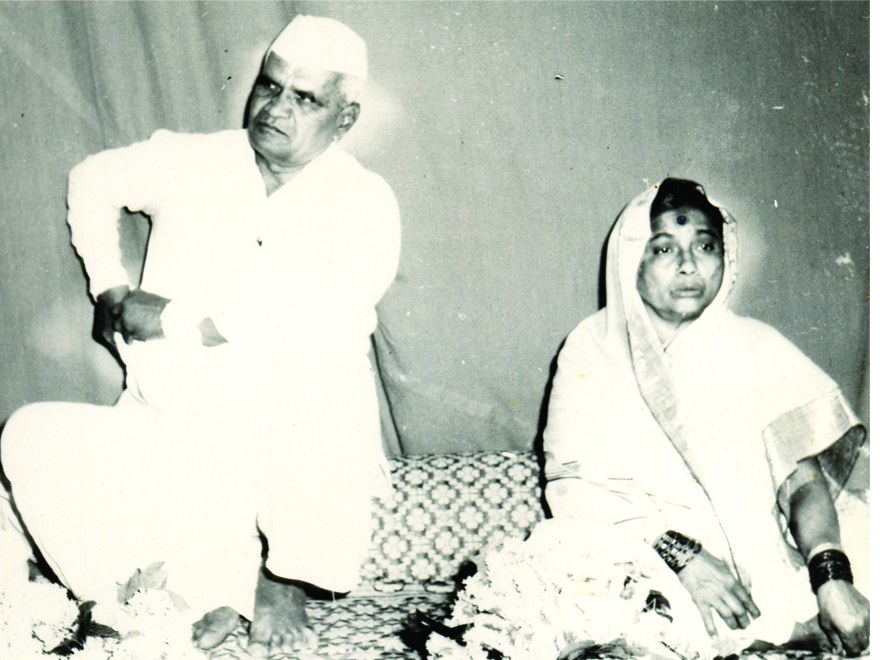
नारायणदादा काळदाते यांचे घराणे मराठवाड्यातील बीड जिल्ह्यातील ईस्थळ या गावचे. आई राधाबाई यांच्या पोटी 21 जुलै 1924 रोजी नारायणराव दादांचा जन्म झाला. वडील रामराव पाटील काळदाते शेती करता करता वडीलोपार्जित 'माली पाटीलकी' व निजामकालीन 'पटवारी' ही पदे सांभाळत. आई लहानपणीच वारल्याने रामराव पाटलांच्या पहिल्या पत्नी, सावत्र आई कोंडाबाई यांनी दादांना पोटच्या मुलाप्रमाणे वाढवले व त्यांच्या बालमनावर अनमोल संस्कार केले. इयत्ता दहावीत असताना दादांचा विवाह माजलगाव तालुक्यातील जोड हिंगणी येथील सुभद्राभाईंशी पंढरपूर येथे झाला. निजाम राजवटीत ईस्थळ गावी शिक्षण व्यवस्था नसल्याने दादांना पंढरपूर नगरपालिकेच्या शाळेत घातले गेले, जिथे चांगल्या शिक्षकांमुळे त्यांच्या व्यक्तिमत्त्वाची जडणघडण झाली.
Narayandada Kaldate's family belonged to the village of Isthal in Beed district, Marathwada. He was born to mother Radhabai on 21 July 1924. His father, Ramrao Patil Kaldate, farmed the family land while also holding the hereditary post of "Mali Patilki" and the Nizam-era post of "Patwari". His mother passed away while he was still a child, and Kondabai — Ramrao Patil's first wife and Dada's stepmother — raised him as her own son, instilling in him invaluable values from an early age. While still in the tenth grade, Dada was married to Subhadrabai of Jod Hingani in Majalgaon taluka, the ceremony held at Pandharpur. Since Isthal had no school under Nizam rule, Dada was enrolled in the Pandharpur Municipal School, where good teachers shaped his early character.
मॅट्रिक परीक्षेत घवघवीत यश मिळवून इंजिनीयर होण्याचे स्वप्न पाहणाऱ्या दादांना, वडील वृद्ध झाल्याने घराची जबाबदारी स्वीकारावी लागली आणि ते 1942 मध्ये गावी परतले. 1942 ते 1958 या काळात त्यांनी वडीलोपार्जित शेती व पाटीलकी-पटवारकीची पदे सांभाळतानाच सामाजिक कार्यासही सुरुवात केली — प्लेगच्या साथीत निवाऱ्याचे व्यवस्थापन करून स्थलांतरित गरिबांना मदत केली, गरजू शेतकऱ्यांना बैल दिले, आजाऱ्यांना स्वतःच्या बैलगाडीने दवाखान्यात पोहोचवले. एक स्वच्छ चारित्र्याचा प्रामाणिक तलाठी अधिकारी म्हणून त्यांनी पंचक्रोशीत आपली प्रतिमा निर्माण केली. बार्शीचे मामासाहेब जगदाळे यांच्या शैक्षणिक कार्यापासून प्रेरणा घेत, तीन मुले व चार मुली असा मोठा परिवार असूनही दादांनी सन 1958 ला समाजकार्यात पूर्णपणे झोकून देण्यासाठी संसाराचा त्याग केला — पत्नी सुभद्राबाईंनी मूकसंमतीने त्यांना साथ दिली.
Dada passed his matriculation examination with flying colours and dreamed of becoming an engineer, but with his father growing old, he had to accept responsibility for the family and returned to his village in 1942. Between 1942 and 1958, while managing the family's farmland and his duties as Patil and Patwari, he also began his social work — organising shelter for the poor displaced during a plague epidemic, giving bullocks to farmers in need, and personally ferrying the sick to hospital in his own bullock cart. As an honest revenue official of clean character, he earned a respected name across the surrounding villages. Drawing inspiration from the educational work of Mamasaheb Jagdale of Barshi, Dada renounced worldly life in 1958 to devote himself entirely to social work — despite having a large family of three sons and four daughters — with his wife Subhadrabai silently standing by him in this decision.
संस्थेची उभारणी
Founding the Institution
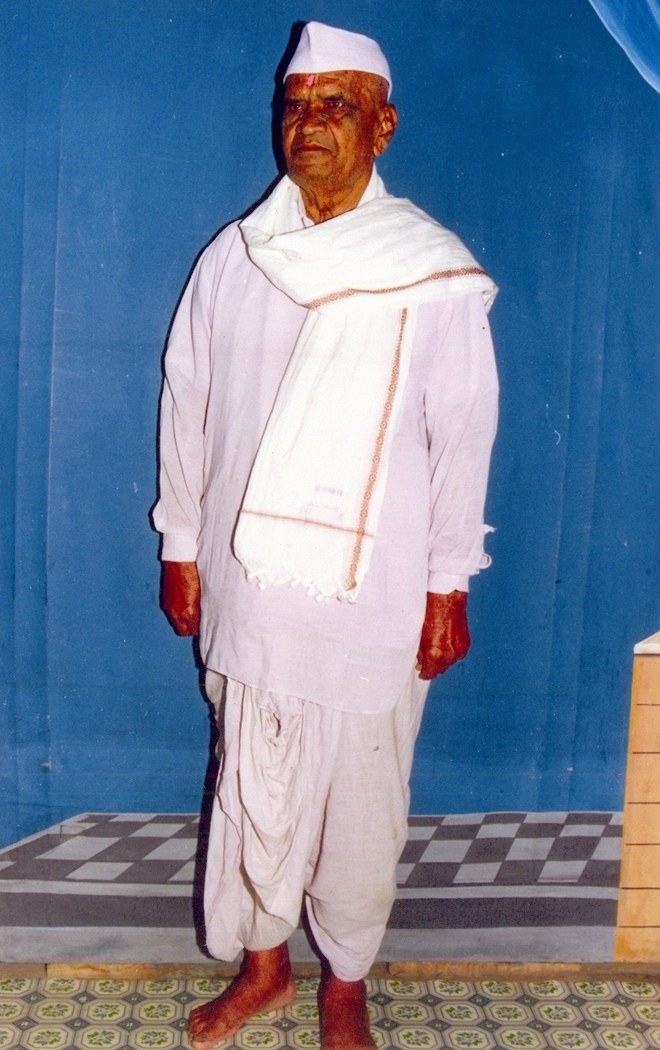
तत्कालीन बीड जिल्ह्यात साक्षरता प्रमाण अत्यल्प होते. 1958 ला बनसारोळा गावातील मुलांच्या शिक्षणासाठी पाचवी ते सातवीपर्यंत शाळा सुरू करण्याचा विचार ग्रामस्थ करत होते आणि त्यांनी तीर्थयात्रा रद्द करून तो पैसा शाळेसाठी लावण्याचा निर्णय घेतला. त्या गावात तलाठी असलेल्या दादांसह श्री.काशिनाथ रामराव गोरे, श्री.दगडुपंत नागोराव कुलकर्णी, डॉ.मदन व्यंकटराव काकडे, श्री.शंकरलाल किशनलाल तापडीया, श्री.शंकरराव नानासाहेब कदम, श्री.विष्णुपंत भाऊराव काकडे, श्री.गणपतराव केशवराव गोरे व इतर मंडळींनी मिळून 'श्री.बनेश्वर शिक्षण संस्था, बनसारोळा' या संस्थेची स्थापना केली आणि 'महाराष्ट्र विद्यालय' सुरू झाले. विद्यार्थीसंख्या वाढल्याने 1959 साली गावकऱ्यांच्या प्रयत्नाने 'विद्यार्थी वस्तीगृह' सुरू करण्यात आले, जिथे श्रम, स्वावलंबन, व्यवहारज्ञान व जीवनविकास या मूल्यांचा वस्तूपाठ दादांनी विद्यार्थ्यांना शिकवला.
Literacy in Beed district was extremely low at the time. In 1958, the villagers of Banasarola were considering starting a school for classes 5 to 7 for their children, and they decided to cancel a planned pilgrimage and use those funds for the school instead. Dada, who served as the village Talathi, joined together with Shri Kashinath Ramrao Gore, Shri Dagdupant Nagorao Kulkarni, Dr. Madan Venkatrao Kakade, Shri Shankarlal Kishanlal Tapadiya, Shri Shankarrao Nanasaheb Kadam, Shri Vishnupant Bhaurao Kakade, Shri Ganpatrao Keshavrao Gore, and others to found "Shree Baneshwar Shikshan Sanstha, Banasarola", and "Maharashtra Vidyalaya" opened its doors. As enrolment grew, the villagers' efforts led to a student hostel opening in 1959, where Dada taught students the living values of labour, self-reliance, practical wisdom, and personal growth.
शिक्षण कार्यात पूर्णपणे झोकून देण्यासाठी दादांनी आपल्या तलाठी पदाचा राजीनामा दिला आणि खेडोपाडी जाऊन शिक्षणाचे महत्त्व पटवून दिले. मुलींची संख्या वाढावी म्हणून स्वतःची मुलगी कुसुम हिला बनसारोळ्याच्या विद्यालयात प्रवेश दिला, ज्यातून प्रेरणा घेत गावकऱ्यांनीही आपल्या मुलींना शाळेत घातले. सन 1961-62 ला हरिजन वाड्यातील बालकांसाठी बालवाडी सुरू करून, शासनाच्याही कित्येक वर्ष आधी दादांनी आपल्या दूरदृष्टीचा प्रत्यय दिला. केज तालुक्यातील होळ येथे ग्रामस्थांकडून जमवलेल्या निधीतून सन 1963 साली 'श्री होळेश्वर विद्यालय' सुरू झाले, सोबतच सवर्णांसाठी होळेश्वर वस्तीगृह व मागासवर्गीय मुलांसाठी साने गुरुजी वस्तीगृह उभारले गेले.
To devote himself entirely to education, Dada resigned from his post as Talathi and travelled from village to village impressing upon people the importance of education. To encourage more girls to attend, he enrolled his own daughter Kusum at the Banasarola school — inspired by this, other villagers began sending their daughters to school too. In 1961-62, he started a balwadi (pre-school) for children of the Harijan Wada, demonstrating a foresight that came years ahead of similar government initiatives. In 1963, funds raised by the villagers of Hol in Kej taluka led to the founding of "Shree Holeshwar Vidyalaya", along with the Holeshwar Hostel for upper-caste students and the Sane Guruji Hostel for students from backward communities.
सन 1982 मध्ये स्थापन झालेल्या मानवलोक संस्थेचे उपकेंद्र भावठाणा गावी सुरू झाल्यावर, डॉ. द्वारकादास लोहिया यांच्या विनंतीनुसार दादांनी 1983 मध्ये तेथे 'साने गुरुजी विद्यालय' सुरू केले, जे टप्प्याटप्प्याने दहावीपर्यंत विस्तारले. संस्थेची एखादी शाळा शहरी भागातही असावी या विचारातून सन 1984 साली अंबाजोगाई लगतच्या मोरेवाडी परिसरात 'गुरुदेव विद्यालय' व सर्वधर्मीय विद्यार्थ्यांसाठी 'गुरुदेव वस्तीगृह' सुरू झाले. दादांच्या या कार्याची दखल घेत त्यांना 'महाराष्ट्र राज्य शिक्षण संस्था संचालक मंडळ, पुणे' चे सदस्य तसेच केंद्र सरकारच्या नवोदय विद्यालय सल्लागार समितीचे सदस्य म्हणून घेण्यात आले. संस्थेचा कारभार पाहताना आर्थिक पारदर्शकता आणि प्रामाणिकपणा हे त्यांचे वैशिष्ट्य राहिले — संस्थाचालक असूनही ते कार्यालयीन कामासाठी संस्थेची गाडी न वापरता एसटी बसने प्रवास करत.
When Manavlok Sanstha, founded in 1982, opened a sub-centre at Bhavthana village, Dada — at the request of Dr. Dwarkadas Lohiya — started "Sane Guruji Vidyalaya" there in 1983, which was gradually expanded up to the tenth grade. Believing the Sanstha should also have a presence in a more urban area, "Gurudev Vidyalaya" and the "Gurudev Hostel" (open to students of all faiths) were started in 1984 in the Morewadi area near Ambajogai. In recognition of this work, Dada was inducted as a member of the "Maharashtra State Education Institutions Directors' Board, Pune" and as a member of the Central Government's Navodaya Vidyalaya Advisory Committee. Financial transparency and honesty remained his hallmark throughout his management of the Sanstha — even as its head, he travelled by state transport bus for official work rather than use the institution's vehicle.
दादांचे व्यक्तिमत्त्व
Dada's Personality
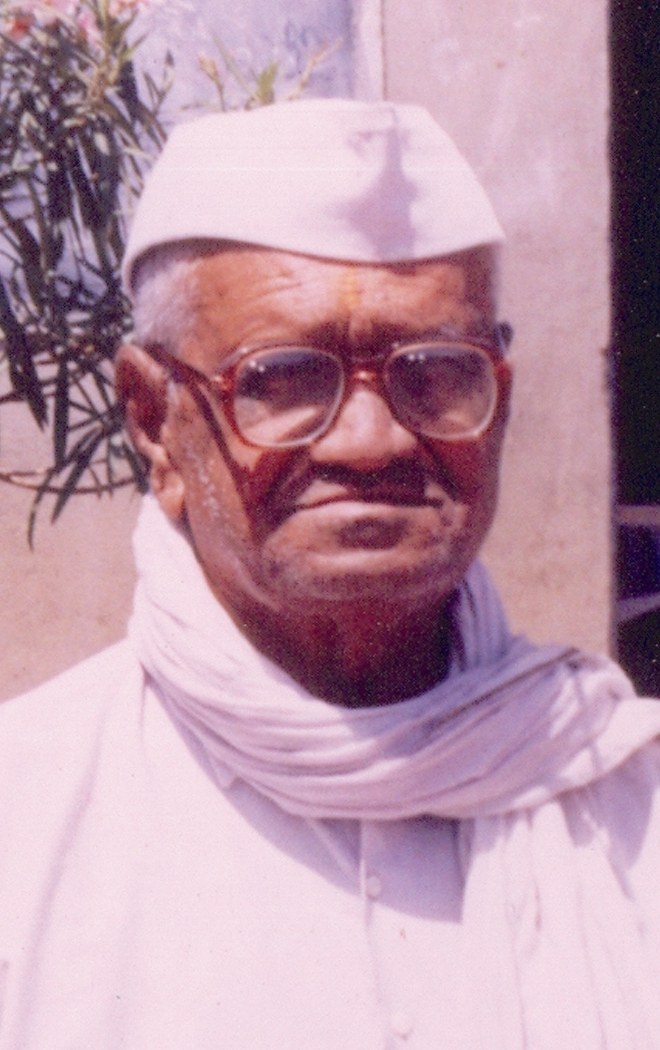
'साधी राहणी उच्च विचारसरणी' या वृत्तीमुळे अनेक लोक चुंबकाप्रमाणे दादांकडे आकर्षित होत. शाहू-फुले-आंबेडकर, कर्मवीर भाऊराव पाटील, साने गुरुजी, स्वामी रामानंद तीर्थ, एस.एम.जोशी, लालबहादूर शास्त्री आणि शिक्षणमहर्षी मामासाहेब जगदाळे यांसारख्या थोर महापुरुषांचा तसेच महात्मा गांधींच्या विचारांचा प्रभाव त्यांच्या व्यक्तिमत्त्वावर पडला होता. मध्यम पण दणकट शरीरयष्टी, डोक्यावर पांढरीशुभ्र गांधी टोपी, अंगात खादीचे स्वच्छ खमीस, पांढरे शुभ्र धोतर, कपाळावर गोपीचंदनाचा टिळा व गळ्यात तुळशीची माळ असे त्यांचे साधे राहणीमान होते.
His guiding philosophy of "simple living, high thinking" drew people to him like a magnet. His character was shaped by the influence of towering figures such as Shahu-Phule-Ambedkar, Karmaveer Bhaurao Patil, Sane Guruji, Swami Ramanand Teerth, S. M. Joshi, Lal Bahadur Shastri, and Shikshanmaharshi Mamasaheb Jagdale, as well as the thinking of Mahatma Gandhi. He lived simply — of medium but sturdy build, a spotless white Gandhi cap on his head, a clean khadi kurta, a plain white dhoti, a tilak of gopichandan on his forehead, and a tulsi-bead necklace around his neck.
पहाटे वस्तीगृहातील मुलांचा अभ्यास घेणे, ज्ञानेश्वरी वाचन व विठ्ठल दर्शन, गावातील लोकांचे प्रश्न सोडवणे, दुपारी हिशोब व कामकाजाची देखरेख, संध्याकाळी मुलांसोबत खेळणे व जेवणे, रात्री अभ्यास करवून घेणे असा दादांचा शिस्तबद्ध दिनक्रम होता. स्वतःची कामे स्वतः करणे, वस्तीगृहासाठी किराणा सामान स्वतःच्या डोक्यावर आणणे, स्वतःचे कपडे स्वतः धुणे — स्वावलंबन व शरीरश्रमाला त्यांनी आयुष्यभर महत्त्व दिले. लहान बंधू डॉ.बापुसाहेब काळदाते जनता पक्षाचे राष्ट्रीय नेते व खासदार असूनही, दादांनी त्यांच्या राजकीय शक्तीचा कधीही स्वार्थासाठी वापर केला नाही.
Dada's day followed a disciplined routine: overseeing the hostel children's studies at dawn, reading the Dnyaneshwari and paying respects to Lord Vitthal, resolving villagers' problems, supervising accounts and administrative work in the afternoon, playing and eating with the children in the evening, and making sure they studied at night. He did his own chores, carried grocery supplies for the hostel on his own head, and washed his own clothes — he valued self-reliance and physical labour throughout his life. Even though his younger brother, Dr. Bapusaheb Kaldate, was a national leader of the Janata Party and a Member of Parliament, Dada never used his brother's political influence for personal gain.
मागासवर्गीय विद्यार्थ्यांसाठी कार्य
Work for Students from Backward Communities
तत्कालीन समाजात रूढ असलेल्या स्पृश्य-अस्पृश्य भेदाची दरी कमी करण्यासाठी दादांनी दलित वस्तीगृहासोबत सवर्णांसाठीही वस्तीगृह स्थापन केले आणि दोन्हींतील विद्यार्थ्यांची जेवणासाठी एकच पंगत बसवली. वस्तीगृहाच्या बांधकामावेळी विविध जाती-धर्मांच्या विद्यार्थ्यांना गावातील विठ्ठल मंदिरात एकत्र राहण्याची व्यवस्था केली, जे पुढे सर्व जाती-धर्मांसाठी खुले झाले. बाबा आढाव यांच्या 'एक गाव एक पाणवठा' मोहिमेअंतर्गत ईस्थळ परिसरातील सर्व पाणवठे गावकऱ्यांसाठी खुले केले, आणि आंतरजातीय विवाहाचा पुरस्कार स्वतःच्या कुटुंबापासून सुरू केला — बंधू खासदार बापूसाहेब काळदाते यांचा ब्राह्मण कुटुंबातील सुधाताईंशी झालेला विवाह हे त्याचे उदाहरण. या सामाजिक कार्याची दखल घेत भारत सरकारने त्यांना 'दलितमित्र' पुरस्काराने सन्मानित केले.
To narrow the gap created by the touchable-untouchable divide prevalent in society at the time, Dada established a hostel for upper-caste students alongside the Dalit hostel, and seated students from both together at a single common meal line. During the construction of the hostel, he arranged for students of different castes and faiths to stay together at the village's Vitthal temple, which was later opened to all castes and religions. Under Baba Adhav's "One Village, One Water Source" campaign, he opened every water source in the Isthal area to all villagers, and he championed inter-caste marriage starting within his own family — the marriage of his brother, MP Bapusaheb Kaldate, to Sudhatai from a Brahmin family, being one example. In recognition of this social work, the Government of India honoured him with the "Dalitmitra" award.
वारकरी संप्रदाय व इतर सामाजिक कार्य
The Warkari Tradition and Other Social Work
बालपणीचे शिक्षण पंढरपुरात झाल्याने दादांच्या व्यक्तिमत्त्वावर वारकरी संप्रदायाचा खोल प्रभाव होता. आषाढी वारी व हरिनाम सप्ताह कार्यक्रमांत त्यांचा आवर्जून सहभाग असे, आणि समाजात एकात्मता प्रस्थापित करण्यासाठी त्यांनी गावोगावी अखंड हरिनाम सप्ताह सुरू केले. पद्मश्री शंकर बापू आपेगावकर व ह.भ.प. माधव शास्त्री महाराज यांनी त्यांना मुकुंदराज स्वामी मंदिर ट्रस्टचे सचिव म्हणून घेतले. सन 1982 पासून त्यांनी मानवलोक सेवाभावी संस्थेचे अध्यक्षपद आजीवन सांभाळले — या संस्थेने बालवाड्या, अभ्यासिका, कुरण शाळा, क्रीडांगणे, मुलींसाठी वस्तीगृह, समाज विज्ञान व गृहविज्ञान महाविद्यालय अशा उपक्रमांतून शैक्षणिक-सामाजिक कार्य लोकांपर्यंत पोहोचवले. सन 1991 मध्ये बनसारोळ्यात डॉ. बाबासाहेब आंबेडकर सार्वजनिक वाचनालय सुरू केले आणि 1962 मध्ये लोकसंख्या नियंत्रणासाठी बीड जिल्ह्यातील पुरुष नसबंदी कार्यक्रमात पुढाकार घेतला.
Having received his early education in Pandharpur, Dada was deeply influenced by the Warkari tradition. He took part faithfully in the Ashadhi Vari pilgrimage and Harinaam Saptah gatherings, and to foster unity in society he started continuous Harinaam Saptah programmes in village after village. Padma Shri Shankar Bapu Apegaonkar and H.B.P. Madhav Shastri Maharaj appointed him secretary of the Mukundraj Swami Temple Trust. From 1982 he held lifelong presidency of the Manavlok charitable organisation, which carried educational and social work to the people through initiatives such as balwadis, study centres, pasture-land schools, playgrounds, a girls' hostel, and a college of social science and home science. In 1991 he started the Dr. Babasaheb Ambedkar Public Library at Banasarola, and in 1962 he took the lead in Beed district's male sterilisation programme for population control.
पुरस्कार
Awards
दादांच्या उल्लेखनीय कार्याची दखल घेऊन त्यांना अनेक पुरस्कारांनी सन्मानित करण्यात आले — डॉ. बाबासाहेब आंबेडकर दलित मित्र पुरस्कार (1985), स्वामी रामानंद तीर्थ मराठवाडा भूषण पुरस्कार (2001), महात्मा गांधी सन्मानपत्र (2001), रोटरी भूषण पुरस्कार (2004), राजीव गांधी शिरोमणी पुरस्कार (2005), गोविंद भाई श्रॉफ स्मृती पुरस्कार (2005), आणि सोशल इकॉनॉमिक रिसर्च अँड नॅशनल इंटिग्रेशन पुरस्कार (2006). जानेवारी 2000 मध्ये त्यांच्या अमृत महोत्सवानिमित्त तत्कालीन मुख्यमंत्री मा. विलासरावजी देशमुख यांच्या हस्ते सत्कार झाला, आणि जमलेल्या निधीतून मानवलोक संस्थेच्या जागेत 'श्री नारायणराव काळदाते मुलींचे वस्तीगृह' सुरू करण्यात आले.
In recognition of his remarkable work, Dada was honoured with numerous awards — the Dr. Babasaheb Ambedkar Dalit Mitra Award (1985), the Swami Ramanand Teerth Marathwada Bhushan Award (2001), the Mahatma Gandhi Sanman Patra (2001), the Rotary Bhushan Award (2004), the Rajiv Gandhi Shiromani Award (2005), the Govind Bhai Shroff Smriti Award (2005), and the Social Economic Research and National Integration Award (2006). In January 2000, on the occasion of his Amrut Mahotsav (75th birth anniversary), he was felicitated by the then Chief Minister, Shri Vilasrao Deshmukh, and the funds raised on that occasion were used to start the "Shri Narayanrao Kaldate Girls' Hostel" on Manavlok's premises.
निधन व स्मृती प्रतिष्ठान
Passing and the Memorial Foundation
7 सप्टेंबर 2008 रोजी वयाच्या 84 व्या वर्षी हृदयरोगाने नारायणराव काळदाते यांची प्राणज्योत मालवली, आणि अवघा बीड जिल्हा हळहळला. त्यांच्या निधनानंतर डॉ.द्वारकादासजी लोहिया, श्री.जी.जी.रांदड, श्री.एस.के.जोगदंड, श्री.बी.बी.ठोंबरे, स्व.अंकुशराव काळदाते, श्री.मदनराव नरवडे, अमर हमीब व डॉ.नरेंद्र काळे यांनी मिळून सन 2009 मध्ये 'पूज्य नारायण दादा काळदाते स्मृती प्रतिष्ठान' (अंबाजोगाई, जि. बीड) ची स्थापना केली. या प्रतिष्ठानतर्फे दरवर्षी स्मृतिदिनी शैक्षणिक-सामाजिक क्षेत्रात उल्लेखनीय काम करणाऱ्या व्यक्तीला 'नारायण दादा काळदाते स्मृती सन्मती पुरस्कार' दिला जातो, तसेच होतकरू विद्यार्थ्यांना उच्च शिक्षणासाठी अर्थसहाय्य केले जाते.
On 7 September 2008, Narayanrao Kaldate passed away of a heart ailment at the age of 84, and the entire district of Beed grieved his loss. Following his passing, Dr. Dwarkadasji Lohiya, Shri G. G. Randad, Shri S. K. Jogdand, Shri B. B. Thombre, the late Ankushrao Kaldate, Shri Madanrao Narwade, Amar Hamib, and Dr. Narendra Kale came together in 2009 to establish the "Pujya Narayan Dada Kaldate Smriti Pratishthan" at Ambajogai, Beed district. Every year on his death anniversary, this foundation confers the "Narayan Dada Kaldate Smriti Sanmati Award" upon an individual who has done notable work in the field of education and society, and it also provides financial assistance to deserving students for higher education.